0.0 ftNew York City
Flood restoration in NYC, from the basement up
Water line
Flooded basement, storm water through the door or a sewer backup? Tell us where and what happened, and an independent local flood restoration provider can contact you.
- All five boroughs
- Basements to high-rises
- Free to ask
- You decide
- 5 boroughsManhattan, Brooklyn, Queens, the Bronx, Staten IslandOne request form for the whole city.
- 1.75 in/hrThe rain NYC’s sewers can carryIda brought 3.5 inches an hour in places (NYC Health).
- 24 to 48 hrsTo dry wet materials before mold growsEPA guidance on moisture and mold.
- You decideThe provider inspects and quotesSending the form commits you to nothing.

0.0 ftWhat to do first
Water in the building? The first hour
Safety before cleanup. These are the steps the CDC and the EPA give for a flooded home.
- 1
Stay out of water near outlets
Never switch power on or off, or use an electric tool or appliance, while standing in water.
- 2
Shut off power only from a dry spot
If reaching the main switch means stepping into water, leave it to an electrician. Smell gas? Close the main gas valve, open the windows and leave.
- 3
Tell the super or managing agent
In a rental, co-op or condo, tell building management straight away, since the water may come from or reach other units.
- 4
Photograph everything before it moves
Wide shots of each room, the line the water reached on the walls, and close-ups of what got wet.
- 5
Send the request
Name, phone, borough and what happened is enough for a provider to understand the job before they call.
1.0 ftFlood cleanup
Five kinds of flood work, each with its own guide
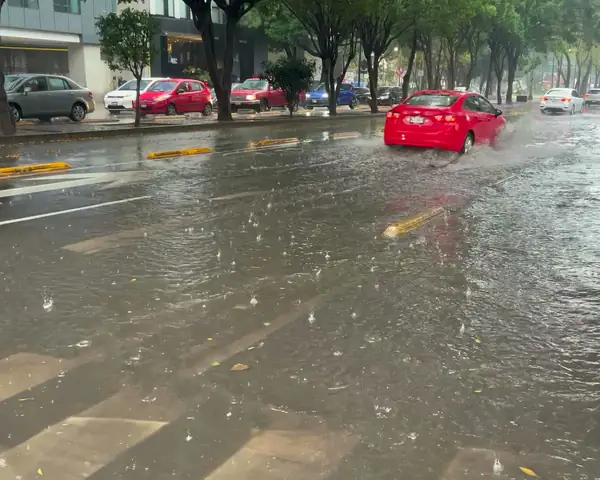
Floodwater in New York comes up from the street, in from the shore, through the foundation or back up the sewer. Each needs a different cleanup. Pick the one closest to what happened to you.
Flood cleanup
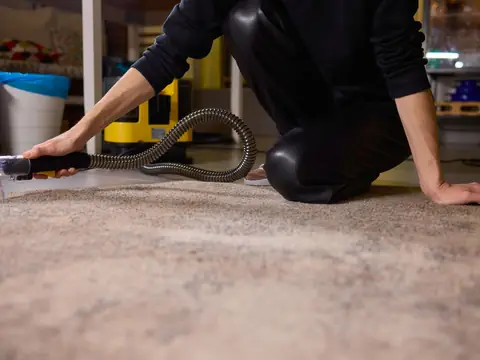
Flood cleanup in NYC: standing water pumped out, wet materials sorted into what can be dried and what must go, then the building dried and checked.
Flooded basements and cellars
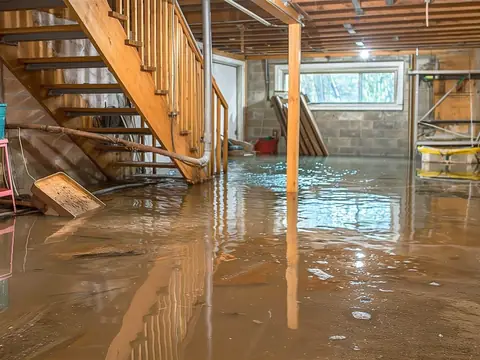
Getting everyone out first, then pumping out, cleanup and drying. Read the guide to basement flooding in NYC.
Sewer and drain backup
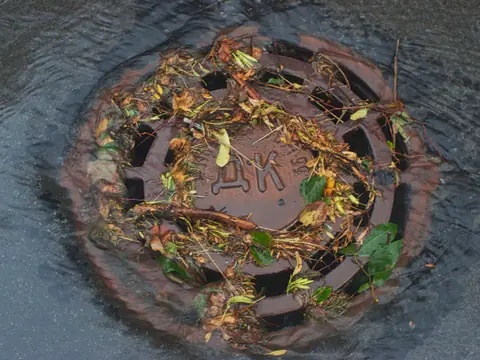
Water rising through a floor drain or toilet in heavy rain is Category 3 water. See sewage cleanup in NYC.
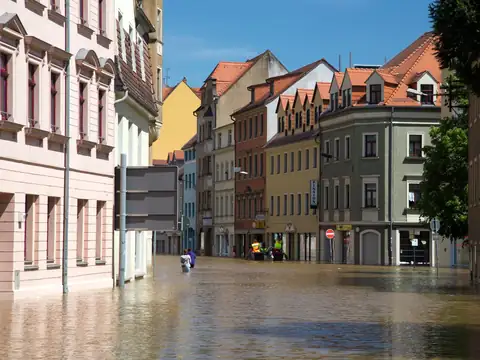
Storm and street flooding
Wind-driven rain, street water through doors and window wells, and surge on the shore. Read about storm damage in NYC.
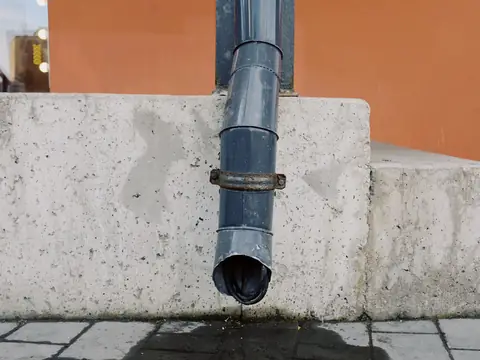
Basement waterproofing
Once it is dry, keeping the next one out: downspouts, backwater valves and drainage. See basement waterproofing in NYC.


2.0 ftThe five boroughs
Where New York floods
Sandy’s water came from the sea; Ida’s came from the sky. NYC Health notes that rainfall flooding can happen anywhere in the city, with low-lying areas and basement apartments at higher risk.
Manhattan
Lower Manhattan is on FloodHelpNY’s list of backwater valve program areas.
Brooklyn
Southeast Brooklyn Waterfront, Gravesend and Bensonhurst, Gerritsen Beach and Sheepshead Bay.
Staten Island
Where 44% of Sandy’s injury deaths took place, along the coast.
The Bronx
Rain flooding and sewer backups in inland basements.
Queens
Howard Beach and Rockaway East are on FloodHelpNY’s list too.
Look up any address yourself: FEMA’s flood maps through NYC Flood Maps, and the Hurricane Evacuation Zone Finder from NYC Emergency Management.
3.0 ftHow it works
From the request to a dry building
One form, one independent local provider, and the choice stays with you.
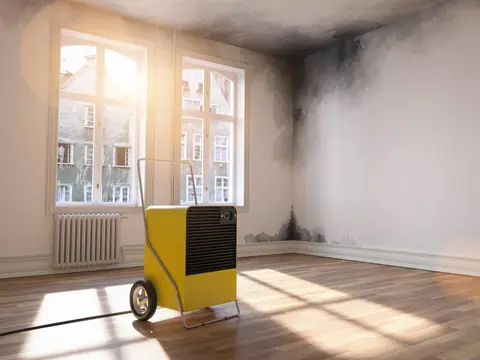
- 1
Send the request
Name, phone, borough and what happened. It takes about a minute, and it is free.
- 2
A local provider can contact you
An independent flood restoration provider serving New York City calls you back by phone.
- 3
They inspect and quote
They look at the water and the building, judge what category the water is, and quote the work directly.
- 4
You decide
Go ahead, ask more questions or say no. You never have to hire anyone.
4.0 ftFlood water and New York buildings
Four ways water gets into a New York building
Flood restoration in NYC starts with one question: where did the water come from? The New York City Department of Environmental Protection (DEP) names four kinds of flooding in the city, and each one leaves a different kind of mess.
- Street flooding: rain that cannot get into blocked catch basins and pools on the street, then runs down stairwells, through garage doors and into window wells.
- Coastal flooding: high tide plus storm surge, which can push tidal water back into the sewer system as well as over the shore.
- Groundwater flooding: saturated ground that lets water in through cracks in the foundation or a leaking floor drain.
- Sewer backups: heavy rain beyond what the pipes can carry, so water overflows from manholes, catch basins and the sewer connections in basements.
The last one surprises people most. During Hurricane Ida in September 2021, NYC Health reports that rain fell at a record 3.5 inches an hour in some areas, against a sewer capacity of 1.75 inches an hour. When that happens the water has nowhere to go but up, and the lowest opening in many buildings is a basement floor drain or toilet. The sewage cleanup guide covers what to do when that water is in your home.

Category 3
Why floodwater is treated as contaminated
Restorers follow a published standard for water damage, the ANSI/IICRC S500. It sorts water into three categories by how contaminated it is. Its definition of the worst, Category 3, reads: water that “is grossly contaminated and can contain pathogenic, toxigenic, or other harmful agents and can cause significant adverse reactions to humans if contacted or consumed.”
The examples it gives read like a list of New York flood events: sewage, wasteline backflows from beyond a trap, all forms of flooding from seawater, rising water from rivers or streams, and wind-driven rain from hurricanes and tropical storms. The CDC lists what floodwater can carry, from human and livestock waste to household and industrial hazardous waste and downed power lines.
The IICRC’s 2026 position statement adds a caution in the other direction: water from weather events and top-down leaks is not automatically Category 3. The category is set by the restorer’s inspection, and with Category 2 or 3 water the standard says remediation comes before drying, with contamination controls and worker protection. That is why a provider who sees your building will want to know where the water came from before quoting.
What this means for you
Treat floodwater and sewer water as dirty. The CDC says anyone who must enter floodwater should wear rubber boots, rubber gloves and goggles. The EPA says that when damage was caused by sewage or other contaminated water, call in a professional who has experience cleaning buildings damaged by it.
The clock
Why the first two days matter
“The key to mold control is moisture control,” in the EPA’s words, and its guidance is to dry water-damaged areas and items within 24 to 48 hours to prevent mold growth. Standing water and wet materials, the EPA adds, are a breeding ground for viruses, bacteria and mold. In a basement with no windows and little air, wet drywall, carpet and stored boxes stay wet for a long time unless the water is pumped out and the air is dried.
Two safety rules from the EPA matter while you wait. Run a fuel-powered generator only outside and at least 20 feet from the building, never in a home, garage or shed, because the carbon monoxide it makes can kill in minutes. And do not mix cleaning products or add bleach to other chemicals. The EPA also advises against running a heating or cooling system you know or suspect is contaminated with mold.
After the power is checked by an electrician, as the CDC advises, the work follows a familiar order: pump or extract the water, remove what cannot be saved, clean, then dry with air movers and dehumidifiers until the materials are dry. The flood cleanup guide walks through each step, and flood water pumping covers getting standing water out.

Insurance, in general
Flood insurance is a separate policy
FloodSmart, the site of the National Flood Insurance Program, puts it plainly: “Most homeowners insurance does not cover flood damage,” and FEMA says homeowners and renters insurance do not typically cover flood damage. Flood cover is its own policy, and a flood policy generally takes effect 30 days after purchase, with a few exceptions such as a policy bought with a new mortgage.
FloodSmart also says damage caused by a sewer backup is covered by flood insurance if the backup is a direct result of flooding. Whether your own loss is covered depends on your policy, so check your own policy or ask your agent before anything is thrown away. Photographs and a list of what got wet help whatever the answer. The flood insurance basics page sets out what FEMA and FloodSmart say, and the NYC flood zones guide explains the maps that set flood insurance risk.
Flood Restoration NYC is an independent referral service, not a restoration company or an insurer. When you send the form, an independent local provider can contact you and quote any work directly; what your insurer pays is between you and your insurer.
CheckBefore the provider arrives
- Photos and video of every wet room, before anything moves
- A list of what got wet, room by room
- Your super’s or managing agent’s contact
- Your policy number, if you have flood or renters insurance
5.0 ftQuestions
Flood questions New Yorkers ask
Short answers from official sources. More on the questions page. Send the request form.
Is Flood Restoration NYC a restoration company?
No. Flood Restoration NYC is an independent referral service, not a restoration company. When you send the form, your details go to an independent local restoration provider serving New York City, who can contact you, inspect and quote any work directly. You decide whether to hire them.
What does it cost to send the form?
Nothing. Sending the form is free and does not commit you to hire anyone. Any price for the work comes from the provider, after they have seen the building.
How do I clean up water after a flood?
Safety first: stay out of water near outlets and the panel, and have an electrician check the power before it goes back on. Then pump or extract the water, remove soaked materials that cannot be dried, clean, and dry within 24 to 48 hours as the EPA advises. Floodwater and sewage call for a professional, the EPA says. The flood cleanup guide has the full order.
Is floodwater dangerous to touch?
It can be. The IICRC S500 standard lists sewage, seawater flooding and rising river water as examples of Category 3, grossly contaminated water. The CDC links floodwater exposure to wound infections, skin rash, gastrointestinal illness and tetanus, and advises rubber boots, rubber gloves and goggles if you must go in.
Why did water come up through my basement drain?
Usually a sewer backup: rain heavier than the sewers can carry overflows through basement sewer connections. DEP also requires homeowners to disconnect downspouts from the sanitary sewer, because the rainwater they carry can overwhelm it. See sewage cleanup.
Does homeowners or renters insurance cover a flood?
Usually not. FloodSmart says most homeowners insurance does not cover flood damage, and FloodHelpNY says a renter’s contents are not likely to be covered by renter’s insurance. Flood insurance is bought separately. Check your own policy or agent.
Am I in a flood zone?
Look the address up. Flood zones use letters and come from FEMA’s Flood Insurance Rate Maps; evacuation zones use numbers, 1 to 6, from NYC Emergency Management. They are different maps. The NYC flood zones guide explains both.
Do you serve my borough?
The form covers all five boroughs: Manhattan, Brooklyn, Queens, the Bronx and Staten Island, from houses and brownstones to co-ops, rentals, high-rises and storefronts.
Water in the building right now? Tell us where.
Name, phone and borough are enough. An independent local flood restoration provider serving New York City calls you back, and the choice to hire them is always yours.