In a bustling city like New York, NY, sudden floods can wreak havoc on homes and businesses. Flood restoration NYC services are essential in helping residents recover from the chaos that follows a water event. Whether it’s a heavy rainstorm or a burst pipe, knowing what to do after flooding can make a significant difference in the restoration process.
Understanding the Immediate Impact of Flooding
When flooding occurs, the immediate effects can be overwhelming. Water can enter homes swiftly, damaging walls, floors, and personal belongings. The type of water involved also matters; clean water from a broken pipe poses fewer risks than contaminated water from a sewage backup. Understanding these nuances is critical for homeowners, as it determines the level of response needed.
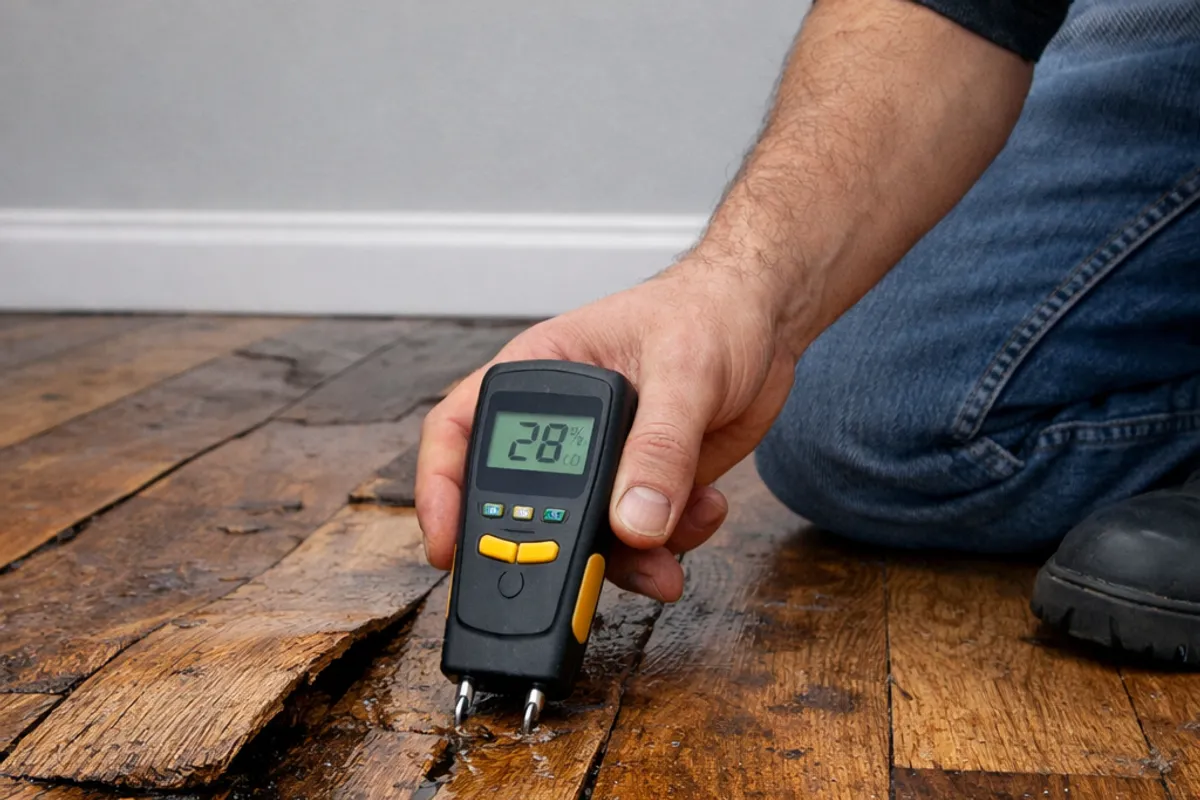
In many cases, the damage can extend beyond what is visible. Hidden moisture can linger in walls and under floors, leading to mold growth if not addressed quickly. This is a common concern voiced by residents who have experienced flooding in their homes. The importance of prompt action cannot be overstated, as professionals are equipped to assess and address these hidden dangers.
Steps to Take Immediately After a Flood
After a flood, the first few hours are crucial for minimizing damage. Here are practical steps to consider:
1. Prioritize Safety: Before entering a flooded area, ensure it’s safe. Turn off electricity if possible and avoid walking through standing water, which may contain electrical hazards or contaminants.
2. Document the Damage: Take photos and videos of the affected areas for insurance purposes. This documentation can be invaluable when filing claims and helps restoration experts assess the situation.
3. Remove Excess Water: If it’s safe to do so, begin removing standing water. This can be done with a wet/dry vacuum or by contacting professionals who specialize in flood water pumping. Quick removal helps prevent further damage and reduces the risk of mold.
4. Dry Out the Area: Open windows and doors to promote airflow. Use fans and dehumidifiers to help speed up the drying process. However, be cautious about using electrical equipment in wet areas.
These initial actions can set the stage for a more comprehensive restoration process, which is where dedicated services come into play.
Why Professional Help Is Essential
While some homeowners may feel inclined to handle the cleanup themselves, enlisting professionals is often the best course of action. Restoration experts bring not only the necessary equipment but also the expertise to tackle complex issues. They understand local regulations, which can vary significantly across neighborhoods in New York.
Professionals are trained to identify hidden damage and ensure that all affected areas are properly dried and sanitized. They also possess specialized tools for mold detection and removal, which is especially important in a city known for its humid climate. Many residents have expressed relief after hiring experts, noting how quickly and efficiently the restoration process progressed compared to their initial attempts.
Additionally, restoration companies often work closely with insurance providers, streamlining the claims process for homeowners. This support can alleviate some of the stress that comes with dealing with damage, allowing families to focus on recovery rather than paperwork.
Long-Term Solutions to Prevent Future Flooding
After dealing with the aftermath of a flood, it’s wise to consider long-term solutions to prevent future occurrences. Basement waterproofing is one of the most effective strategies. This involves sealing cracks and installing drainage systems to keep water at bay during heavy rains.
Regular maintenance checks can also help. Clearing gutters, checking downspouts, and ensuring proper grading around the home can significantly reduce the risk of flooding. Many homeowners are surprised at how small changes can lead to big improvements in their property’s resilience against water damage.
In New York, understanding local flood zones is equally important. Many areas are more susceptible to flooding, and being aware of these risks can guide homeowners in making informed decisions about property improvements and insurance coverage.
Flood restoration services in New York are not just about cleaning up after a disaster; they also play a crucial role in educating homeowners on how to protect their properties in the long run. By taking proactive measures, residents can better safeguard their homes against future water-related issues.
In conclusion, while flooding can be a traumatic experience, knowing how to respond and the importance of professional restoration services can significantly ease the burden. With the right support, New Yorkers can restore their homes and return to normalcy more swiftly.
Frequently Asked Questions
What should I do first when I experience flooding in my home?
The first step is to prioritize safety. Make sure it’s safe to enter the flooded area, turn off the electricity if possible, and avoid walking through standing water due to potential electrical hazards or contaminants. Once it’s safe, document the damage by taking photos and videos to assist with insurance claims.
How can I remove excess water from my home after a flood?
If it’s safe, you can start removing standing water using a wet/dry vacuum. Alternatively, you should contact professionals who specialize in flood water pumping, as quick removal is crucial to preventing further damage and reducing the risk of mold growth.
Why is it important to hire professionals for flood restoration?
Professionals have the necessary tools and expertise to address complex issues that homeowners might overlook. They can identify hidden damage, ensure proper drying and sanitization, and assist with mold detection, which is vital in New York’s humid climate. Their knowledge of local regulations also helps in navigating the restoration process efficiently.
What long-term solutions can I implement to prevent future flooding?
One effective long-term solution is basement waterproofing, which involves sealing cracks and installing drainage systems to protect against heavy rains. Regular maintenance, such as clearing gutters and checking downspouts, is also important to reduce the risk of flooding. Knowing your local flood zones can guide you in making informed property improvements.
How can I ensure that my insurance claim goes smoothly after a flood?
Documenting the damage with photos and videos is crucial for your insurance claim. Additionally, working with restoration professionals can help, as they often have experience dealing with insurance providers and can assist in the claims process. This support can alleviate some of the stress and allow you to focus on recovery.